Home

Privacy
Great Disclaimer
Great  links


Landscape Tips Articles For D0-It-Self Gardeners


Plan Ahead Before You Sell Your No.1 Asset And Increase Your Homes Value By 12% to 15%

If you can plan ahead at least two years before you place your home on the market, you will receive a “Big Reward”.

In order to increase the value of
their home, most people think that they have to install a large Spa quality bathroom, the size of a small apartment or a trendy kitchen with the latest fad counter top and a big island professional cook area.

Don’t get me wrong the conditions inside your home are very important, such as a nice clean painted walls, carpet and other floor conditions. Make sure that the interior of your home shows well.

How Can You Increase Your Property Value The Most?

 1.  Curb Appeal   

First impressions are always the most important.  What

condition is the landscaping?  Make sure the grass is in good condition, no weeds

in the shrub beds and the shrubs are pruned.

In today’s Housing Market Slump you will have to do whatever you can to make your property stand out.

When a buyer drives up to the home will they be impressed or just keep driving.

If they are not happy with what they see, it won’t make any difference whether

you have gold plated faucets or granite counter top.  Walt McDonald of the

National Association of Realtors tells people, if they don’t fix up your landscaping,  you won’t get top dollar

If your home has great landscaping, you will attract more buyers and get a quicker sale. An added bonus would be a boost in your sale price.  If you spend 5% of the value of your home, on your home landscaping and do it with a good designed plan, you might get 150% to 200% return on your money spent.

It could translate to a 15% increase in your property value.

You will be rewarded if you plan ahead and have the work completed at least 2 years ahead of when you think you would be ready to place the home on the market.  It takes awhile for a landscape to mature.  Remember, from landscape installation to sale time, maintenance is critical. It takes a great design, proper installation mand regular maintenance to make a beautiful completed landscape setting

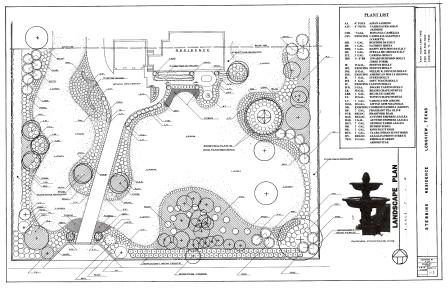
Landscaping include the total picture, hardscape and plantscape.  The hot trend at the moment is a curving pathway of concrete pavers or brick from the street to the front door.  You must eliminate that 3 foot wide front walk from the. garage to the

front door. Flower planting or large containers near the front entrance will help to give the home a inviting appearance.

2.  What about the backyard?  

 Develop a outdoor living area and bring the indoors out.  We are seeing outdoor rooms and living spaces that have all the features of indoor kitchens and family rooms.  That may mean cooking areas such as a barbecue fire pit or a whole professional grade kitchen setup in the backyard , pool with a build-in-bar with stools or a super designed gazebos.

Maybe a stone fireplace and full kitchen right on the patio with a shade structure built over the patio. Of course, a great deck and or patio is a natural extension of the indoors out.

Just remember, that a major hardscape job may injure existing tree roots.  Rope off areas around trees to prevent damage.

In summary, A good old rule of thumb would be to invest 10% of the property value in the landscaping.  If your home is worth $250,000, 10% would be $25,000 needed to make it look great and family enjoyable. If you have a $1000,000 home don’t cut your landscape budget to $25,000 because it won’t work.

Landscaping will make the home stand out and It should fit into the surrounding environmental.

Building a Compost Bin

Compost can act as a great fertilizer, enriching the soil with organic materials rather than making use of chemicals that can do more harm than good if used improperly. Composting is a great way to save money as well. Using compost requires that you thoroughly mix it into the soil, reducing compaction and providing oxygenation to the soil. Compost can help plants stay healthier, and that contributes to their ability to repel diseases and survive insect attacks. A healthy landscape can be achieved with a little help from composting.

It is important to note that composting does require a little extra work. The pile needs to be turned, and you need to make sure that you have adequate break down of the items in your compost pile. You need to be discriminating in what you put in your compost: it should only be items that will break down naturally. Plant matter (including pulled weeds) and some foods are excellent in compost and will add to the health of your soil, and thus to your landscape over all. There is no reason, however, that your compost pile needs to be a true pile. A bin can help you better contain your compost and keep it from being spread across your yard in a smelly mess by animals or a really fierce storm.

The first thing you need to do before you build a compost bin is decide what your needs are. Many people actually use a three-bin system. The bins may be connected, or they may be individually lined up. Some people use the bins for different types of compost (regular compost, slow compost like woody plants, and leaves collected in the fall). Others like to have a three-bin system for the turning purposes. Move the compost from one bin into the next, allowing it to turn. Then you can start a pile in the newly vacated bin. By the time the compost makes it into the third bin, it is ready for use. Others find that a single bin is sufficient for their needs, and just go out to stir it around occasionally.

Next you need to determine what materials you will use to build your bin. It is important to note that some exposure to the elements is necessary for more effective and quicker composting. Chicken wire is not particularly good for compost bins as it can stretch out of shape very easily and does not wear well. Materials like 16-guage plastic-coated wire mesh and hardware cloth are better choices, as is hog wire. Wood makes an interesting choice, but it is important to note that it will eventually compost itself and will need to be replaced. Do not used pressure-treated wood, as it has toxic levels of copper and chromium, and there is evidence that arsenic can leach into your compost. Other materials that are acceptable for building compost bins are spoiled hay bales, old cinder blocks or bricks, wooden pallets, snow fencing, and a discarded rabbit hutch. The hutch is desirable because there is very little that needs to be done to make it ready.

One of the easiest and cheapest ways to build a compost bin is to construct it from wooden pallets. Most warehouses, grocery, and hardware stores are more than happy to give these away for free, or for very cheap, as it saves them the trouble of having to discard them. You can use plastic ties to hold four of them together in a box formation. Adding another bin to create a system is easy: just attach three more pallets using one side of the already made bin to complete another box. Be warned: after about two years you will need a new bin, as this bin will be composting itself.

A cinder block or brick bin is also rather easy and cheap to build. If you visit a demolition or construction site, you are bound to find the materials you need readily available. Simply ask for permission to take them. As with the pallets, if you take them away, it saves the company from having to pay for the costs associated with disposing of them. Simply create a square enclosure by stacking the blocks or bricks on top of each other. Make sure you leave space between the blocks for ventilation.

Common Landscaping Tools

For the avid do-it-yourself landscaper, the right tools are important. After all, if one wishes to save money on the expenses associated with having a well cared for yard, it is best to make sure that he or she has all of the tools necessary to create an attractive landscape. By understanding some of the most common tools used for basic landscaping needs, you can ensure that you have everything you need to keep your lawn in the best possible shape, bringing delight and distinction to your grounds, be they large or small.

Shovels, rakes, trowels, and hand cultivators. These are the most basic of tools when it comes to landscaping. Every home should be supplied with these basic implements. They make just about every landscaping endeavor possible. Shovels to remove sod and turn soil, as well as dig the holes necessary for fixtures like trees and hardscapes, Rakes are essential to smooth out planting beds and prepare ground for things like sod without packing the dirt. Trowels and hand cultivators allow you to perform minute work that requires more attention to detail. All of these tools are necessary to the proper functioning and care of a landscape.

Pruners and shears. These tools are used to improve the appearance of woody plants and trees. They keep plants from encroaching in other areas, and they also promote the overall health of the plants. They help maintain a neat appearance, and if you have topiary concerns, they are indispensable in maintaining a set shape. There are hand pruners, tools that help with the smaller branches and are easier to use, loppers for getting thicker branches that are to large for pruners, and even pruning saws that can help you with the toughest of branches. Hedge shears provide a way for hedges to be trimmed more conscientiously than with electric or gas-run trimmers (although these are widely available and can make maintaining hedges much easier).

Lawnmower. This is perhaps one of the most common and most obvious of landscaping tools. It is meant to keep the grass at a reasonable level, and to keep the lawn neat and healthy. Related to lawnmowers in the trimming department are things like weed wackers, which are very useful in keeping edges that can’t be cut by a mower nice and neat. Additionally, the use of some special machinery, designed to eliminate thick brush is useful to have on hand, even it is only in the form of a machine rented once a year.

Other tools of interest. Of course, there are specialty tools that may be needed depending upon on the features of your landscape. If you have a water fixture, it is important to make sure that you have the proper pumps and filters, and that you have little skimmers that can allow you to remove larger pieces of debris from the water. Automatic sprinklers can make watering the lawn and your other plants much easier, and you should have a garden hose for special watering needs. Regular household tools such as hammer and nails, levels, and drills can be helpful if you have built landscape features like patios, decks, pergolas, and trellises. They can also be useful in building things like containers and creating raised beds.

Wheelbarrow. A wheelbarrow will always be of infinite use for the avid landscaper and improver. Wheelbarrows are very useful for moving debris as well as bringing needed implements to their proper places. They haul dirt and bring in plants. They make it possible to for one person to carry a load that otherwise she or he would not be able to handle. For the serious landscaper, a wheelbarrow is indeed necessary.

When you have all of the tools necessary to take care of your landscape, then you are well rewarded for your hard work. Acquiring the more common tools can also save you money in the long run, as they can be used over and over again. Additionally, many of the more common landscape tools are fairly small in size and easy to store in a garage or a shed. As long as they are kept neatly arranged in place, they are easy to get to when needed, and not hard to find. Proper maintenance of you tools is important: keep them from becoming
rusty, and make sure your lawnmower and other gas or electric implements are well oiled and always have plenty of gas. Proper care of your tools ensures that you will be able to properly care for your landscape.


Landscaping Tips: Making Your Yard Part of Your Home

Your yard can be more than just empty space, it can become a central part of your home and landscaping can make that happen. This doesn’t have to be a grueling or expensive venture on your part, just so you apply some of these landscaping tips.

Function
First of all, determine what your yard is primarily used for. Is it a place for the kids to play, somewhere to grow a garden, or do you see it as a place to ease away the tensions of the day? The answers to these questions will help determine what kind of work needs to be done before you start landscaping.

Another useful tip is to determine how your landscaping can help with energy costs. You may not know it but trees and shrubs can help you cut down on your heating and lighting expenses.

For example trees planted on the south and west can help with shading your house, which helps cut down on air conditioning. If these trees are the kind that shed their leaves (deciduous trees) during the fall, it will allow more light into the house during the winter when it’s most needed. Shrubs planted a few feet away from the foundation also help keep the warm air in and the cold out therefore helping with the heating bills.

Hardscape and softscape

Hardscape refers to the “non-plant” parts of your garden (deck, patio, statues, fountains, walls, etc.). Softscape refers to the plants and the lawn.

If you’re just starting out, lay out the hardscape first before you work with the plants. This way, the plants aren’t in the way when you’re installing the necessary hardscape materials.

Walls have the option of being treated as hardscape or softscape. If you want total privacy, you may want to go with a hardscape wall using materials like wood, vinyl or masonry. Otherwise, shrubs and trees make for a more natural wall that give a more open look while still closing the view to other people.

Find a central focus for your yard
This can be anything from a statue, to the play set or even a single tree. Finding a focus for your landscaping gives you a point of reference so that you give your design a better sense of order rather than just having plants scattered everywhere.

These are just some tips to get you started. As you continue working on your landscaping, you’ll be able to come up with more ideas that are distinctively yours, making your home as unique as you are.
 

Growing Your Own Herbs

If you’re not the type of person that wants to spend their time managing
an elaborate fruit or vegetable garden, you might consider planting and
maintaining an herb garden. While the product might not seem as
significant, you’ll still enjoy the constant availability of fresh,
delicious herbs to flavor your meals with.

First you’ll want to choose the herbs that you’ll plant. You might have a
hard time doing this because of the huge scope of herbs available. But the
best way to choose is to do what I did; just look at what you have in your
kitchen. By planting your own collection of these herbs, you can save
money on buying them from the grocery store while having the added benefit
of freshness. Some of the herbs you might start with include rosemary,
sage, basil, dill, mint, chives, and parsley among others.

When choosing an area to put your herb garden, you should remember that
the soil should have extremely good drainage. If the dirt gets watered and
stays completely saturated, you have no chance of ever growing a healthy
plant. One of the best ways to fix the drainage problem is to dig a foot
deep in the soil, and put a layer of crushed rocks down before replacing
all the soil. This will allow all that water to escape, thus saving your
plants.

When you are ready to begin planting herbs, you might be tempted to buy
the more expensive plants from the store. However, with herbs it is much
easier to grow them from seed than it is with other plants. Therefore you
can save a bundle of money by sticking with seed packets. Some herbs grow
at a dangerously fast rate. For example, if you plant a mint plant in an
open space then it will take over your entire garden in a matter of days.
The best way to prevent this problem is to plant the more aggressive
plants in pots (with holes in the bottom to allow drainage, of course).

When it comes time to harvest the herbs you have labored so hard over, it
can be fatal to your plant to take off too much. If your plant isn’t well
established, it isn’t healthy to take any leaves at all, even if it looks
like its not using them. You should wait until your plant has been well
established for at least several months before taking off any leaves. This
wait will definitely be worth it, because by growing unabated your plant
will produce healthily for years to come.

Once you’ve harvested your delicious home grown herbs, you’ll want to use
them in cooking. Why else would you have grown them? Well first the
process begins with drying them out. This is easily achieved by placing
them on a cookie sheet and baking them 170 degrees Fahrenheit for 2 to 4
hours. After they’re sufficiently dried to be used in cooking, you can
consult the nearest cookbook for instructions on using them to effectively
flavor a dish.

If you want to store your herbs for later usage, you should keep them in a
plastic or glass container. Paper or cardboard will not work, because it
will absorb the taste of the herbs. During the first few days of storage,
you should regularly check the container and see if any moisture has
accumulated. If it has, you must remove all the herbs and re-dry them. If
moisture is left from the first drying process, it will encourage mildew
while you store your herbs. Nobody likes mildew.

So if you enjoy herbs or gardening, or both, then you should probably
consider setting up an herb garden. It might require a little bit of work
at first to set it up for optimal drainage, and pick what herbs you want
to grow. But after the initial hassle, it’s just a matter of harvesting
and drying all your favorite herbs.

Author:  Lawrence L. Hoyle
lhoyle@web-landscape-design-ideas.com

Web site: http://www.web-landscape-design-ideas.com

Online Landscape Design for homeowners and contractors


Email Newsletter icon, E-mail Newsletter icon, Email List icon, E-mail List icon Sign up for our Email Newsletter

PLANTING SOLUTIONS

The big question has to be what type of soil do you have now? Is it sandy soil or is it clay soil? When planting trees and shrubs in sandy soil, you must incorporate some type of organic matter to help hold all of the moisture that you can. In heavy clay soils, it is better that you use the same clay soil because you are creating a planting hole that may not drain well.

The addition of organic matter will act like a sponge and may result in a dead plant because of too much water in the root area.
Flower areas must have a well prepared soil mix. Soil, manure, nature helper or any local organic material that is available in your area.

 Mix the soil and materials well and I like to raise or mound the flower area because it adds to the landscape look. After planting the flowers, mulch with mini-bark or other mulch material to help hold moisture and help to maintain a more even temperature.

Perennial and ground cover areas should have a good soil mix for proper growth. The soil needs to be loose by incorporating organic materials. Thoroughly mix the soil and the organic together before planting. With a good soil mix, you have happy plants for years to come for your enjoyment.

Pruning

As spring approaches, Pruning has to be a must chore to do before new growth begins. Trees can be worked on to making sure crossing branches are removed. thinning out branches that will never be a part of the main shape of the tree.

Suckers are wild growth stem which are growing from ground next to the trunk or they could be growing off a branch up in the tree/straight up. They need to be removed to help the tree appearance.

Flowering shrubs need to be cut back and thinned out by removing 2 or 3 cane all the way back to the ground.

When pruning, remember that where you make the cut is where the new growth will take place. Hand shears, lopper shears and a small tree saw are your main tools for the pruning task. Hedges shears are alright for the final shaping or for trimming a formal hedge.

Don't use them for all of your pruning work. Remember if you prune only on the outside edge of the plant that is where the new growth will take place.

Using only a hedge shears, the plant over time will form a very thin layer of foliage and the center of the plant will be dead looking with no foliage. Your plant will begin to look like a piece of molded concrete. Let your plants look like they should, just reduce their size.

 LANDSCAPE LIGHTING

1. When buying landscape lights buy quality!!!

 2. Quality light should provide light without seeing the source. They should not shine at you. They should up light a small tree, down light a flower area, walk or steps or maybe all three.

3. Low voltage lighting will be your choice for residential landcape use.

4. Up lights include different small fixtures that have 35w to 75w bulbs. They have a soil spike included or they may be sold separately to install the fixture at the base of a tree. Adjust the angle of the fixture to light area of the tree that you want. Larger tree may require two fixtures.

5. Flower area lights would include down lights or mushrooms types. They come in different heights and sizes of the fixture top. Select the proper bulb size from 10w to 20w depending on the desired light.


Landscape lighting can provide safety around the home as well as a great new dimension to your landscape. Night time beauty that you won't believe and you will enjoy your home landscaping even more

What is required to light up your landscape?

1. Select the fixtures.

2. Determine the amount of watts your fixtures will be using.

3. Based on the total watts, select the transformer for your job. Transformers come with a electric eye or a clock to turn the lights on and off. The clock type is generally cheaper to buy. The Transformer is most costly item to buy, but you must have it to run the lighting system.

4. Low voltage wire size will depend on the number of fixtures and the length of the wire needed. Your supplier should be able help you select the proper wire size for your project. Use silicone wire nuts to water the proof the connections. 5. You must have outdoor electric outlet for the hook- up.
 

My Plant Choice

Iceplant Delosperma floribundum

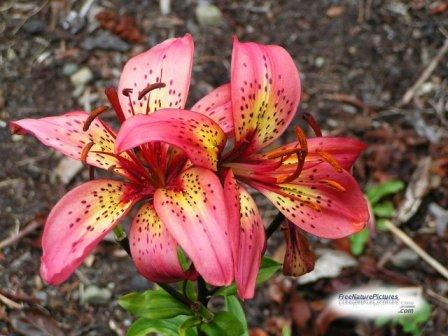
Starburst Iceplant is one variety that with a abundant show of flowers all summer and into late fall. If you have a dry spot in your landscape, Iceplant could be your answer. It is also great in window boxes, planters, retaining wall planter area and around the mail box.


The brilliant orchid-pink blooms with a bright white center really put on a great show. My clients love this plant. It needs full sun, dry, average good garden soil. The succulent foliage grows only 4 inches and will spread out at least 18 inches in diameter. Grow well in zones 4 - 9. They are usually sold in 4" pots.


Dealing with Rose Diseases

To make sure that your prized roses remain in the best of health, simply follow these tips.

1. Black Spots on Leaves

This disease is commonly known as black spot. Black spots appear as circular with fringed edges on leaves. They cause the leaves to yellow. Remove the infected foliage and pick up any fallen leaves around the rose. Artificial sprays may be used to prevent or treat this kind of rose disease.

2. Stunted or malformed young canes

Known as powdery mildew, this is a fungal disease that covers leaves, stems and buds with wind spread white powder. It makes the leaves curl and turn purple. Spray with Funginex or Benomyl to treat this fungal disease.

3. Blistered underside of leaves

Known as rust, this disease is characterized by orange-red blisters that turn black in fall. It can survive the winter and will then attack new sprouts in the spring. Collect and discard leaves that are infected in fall. a Benomyl or Funginex spray every 7-10 days may help.

4. Malformed or stunted leaves and flowers

This is caused by spider mites. They are tiny yellow, red or green spiders found on the underside of leaves where they suck juices. The application of Orthene or Isotox may help in treating this infestation.

5. Weak and mottled leaves with tiny white webs under them

This is caused by aphids. They are small soft-bodied insects that usually brown, green or red. Often clustered under leaves and flower buds, they suck plant juices from tender buds. Malathion or diazinon spray may help roses to survive these bugs.

6. Flowers that don't open or are deformed when they open.

Thrips could be the reason behind this problem. They are slender, brown-yellow bugs with fringed wings that also suck juices from flower buds. Cut and discard the infested flowers. Orthene and malathion may also treat this problem.

Remember that roses are hungry feeders that require much fertilizer to become healthy bushes.

     GRASS DYES -- COLORING YOUR LAWN

Each year questions are raised about how to keep grass green during the winter months-especially Bermuda, Zoysia, and Centipede.  Actually, this can be rather easy thing to do.  You have two choices paint the grass green or over seed it with temporary cool-season grass like Annual Rye Grass.  Please note that Annual Rye Grass seed may contain some perennial rye that may persist in the lawn long after the winter months to give the lawn a raged look.  Annual Rye Grass is supposed to die off as the summer heat approaches.

Coloring compounds for grasses are not new.  Several have been used for a number of years.  One of the earliest compounds was Malachite Green a common dye.  Cost has always been a major draw back.   Estimated cost for dyes could be as low as $30.00 Per acre to over $500.00.  The second cost factor is how green is your desired look.

I recently was in a subdivision where several lawns had been sprayed by the largest lawn care company in the USA. No it was a dyed lawn, it was a dye that they are now using with weed control applications to see where they have sprayed.

Here is one chemical supply for commercial applicators: Green Lawinger is the professional’s way to keep the natural appearance of turf which

is dormant, damaged or discolored.  It is an environmentally friendly permanent green pigment.  The liquid formula is easily applied with most types of sprayers.  Keep turf looking fresh for 10-14 weeks or until you mow it away.  By adjusting the mix water ratio you can control the color shade for your turf.  One gallon covers 4,000 to 12,000 square feet depending on the type of grass and color of turf desired.  It can also be used to color a divot and give it a natural green appearance.


TODAY’S NEGLECTED

        LANDSCAPES


Dirty, crowded, overgrown and stressed out-half dead. No,  this isn’ta typical city or village. This is the typical American Home Landscape.

They have no design, totally disorganized and over planted, with little or no maintenance. No maintenance usually means that plants are now 10 ft. Tall across the front of the house, our lawn is half bear and the rest is a weed patch.

It is funny that we all work hard to buy that first home. We take great care of the landscape and the home, after 10 years, a heavy work schedule and tons of kid activities not enough time and don’t seem to care how things look any more attitude.


Our home is a mess and later the subdivision becomes run down is a mess also.  Is this part of our normal life cycle. Build, run down, rent, tear down and rebuild.

Design  -  Build  -  Maintenance for improved property values and stable neighborhoods. Design your landscape to increase in value over time not decrease in appearance. 

A good designer knows, what plants to put where so the plants fit the design of the home. Landscaping is suppose to enhance the home's
Architecture. The designer should be capable of making the home fit into its local micro environment and frame it like a picture.

 Design is not about showcasing different odd plants that you might like.  It is making a pleasing picture with your home as the center piece.


Choosing and Planting

 Perennials


Perennial flowers are strong, local flowers that come back every year without having to replant or do any extra work. During their off seasons, the flowers and stems die back and you can hardly even tell the plant is there (rather than just dying and looking like hideous brown clumps in your garden). When it’s time to bloom, entirely new flowers shoot up where the old ones were.

Before deciding whether to put in perennials or not, you need to make sure that your soil has proper drainage. If the water stays saturated for long periods of time, you should build a raised bed. To test, dig a hole and fill it with water. Wait a day, and then fill it with water again. All traces of water should be gone within 10 hours. If the hole isn’t completely dry, you will need to build a raised bed.

Picking your perennials can be a complicated process. The goal should be to have them flowering as much as possible during the year, so you should create an outline of the year. Research the different types of flower you want, and create a timeline of flowering. If you plan it right, you can have a different type of flower blooming at any point in the year. Getting just the right mixture of plants can give your yard a constantly changing array of colors.

When you go to buy the plants from your local garden center or nursery, you might be able to find a custom plant mixture for your area. This takes the really tough research part out of the job. Usually these blends are optimized for the local climate, and do great jobs of having flowers always grow in your yard. If one of these isn’t available, you can ask the employees what they think would be a good mixture. They should be happy to help you put something together which will be optimal for whatever you desire.

You should definitely use mulch when planting perennials. This will reduce the overall amount of work you have to do, by reducing the amount of weeds and increasing the water retention. Bark or pine needles work great, I have found, and depending on the rest of your yard you might have them on hand at no charge. As for fertilizer, you should use it sparingly once your plants start to come to life.

When you actually go to plant the plants, you should put them in small, separate clumps according to the directions. This is because they tend to spread out, and if you have too many too close together then they will end up doing nothing but choking each other out. As you plant them, throw in a little bit of extremely weak fertilizer. In no time at all you should start to see flowers blooming up.


Building an Arbor

It may difficult to believe, but building an arbor for your landscape can actually be quite inexpensive. If you keep the arbor small, to a two-post size, you can have a very attractive landscape feature for a small cost. Even the novice landscaper can build a small arbor without too much trouble in about two days (three at the most). It can be a very rewarding project that provides a sophisticated sense of beauty to your over all landscape design.

Essential to building your arbor is thinking of it as five distinct phases. This will help you break the project down into doable goals and help you accomplish the task better. Breaking projects down into sections also aids the landscaper, as he or she will find that the task does not seem so daunting when done in bite-sized pieces. Additionally, a sense of accomplishment at the end of each stage can help the landscaper stay motivated throughout the project.

The first layer is to prepare the site for concrete placed under ground to secure the structure. In order to lay the concrete, you need to first get some things out of the way. Dig two holes where you want the posts to stand. The holes should be one inch wide and three inches deep. Put half an inch of gravel or crushed stone inside the holes. This will help water drain away, preventing cracks in the concrete. Set one post in each hole and lay a board on top of them. Use a carpenter’s level to determine whether or not your posts are standing at equal heights. Adjust, if necessary, until the level shows that your posts are equal in height. You can use scrap lumber, nailed to the posts, to form temporary stabilizers.

The second layer is anchoring your arbor posts (they should be 4x4 posts) into the concrete. Before doing this, check again for equality in height with the stabilizers in place and make your adjustments to the stabilizers to adjust the height. Next, mix your concrete using concrete mix and water from a garden hose in a wheelbarrow; a shovel stirs the concrete to mix it well. Pour the concrete to fill each of the holes and allow at least a day for the concrete to dry. You can remove the stabilizers after the concrete has hardened.

Layer three of building your arbor consists of laying two 1x6 pieces of wood along the sides at the top of the posts. These crosspieces should be perpendicular to the posts, and they will be opposite each other, one on the inner side and one on the outside. This creates a sandwiching effect for the tops of the arbor posts, as they are surrounded by the 1x6 pieces of wood. If you would like, you can cut designs into the ends of your crosspieces with a jigsaw for a piece of added flair.

The next layer, the fourth, consists of using 4x4 rafters to lie on top of your 1x6 crosspieces. These will be perpendicular to the crosspieces, and parallel to the line of the posts. There are five of them, only four inches long, so you will need to cut your 2x4s into pieces of the proper length. They should also be notched so that they fit tightly across the crosspieces. Notching can help you adjust for level differences in the rafters as well.

The final layer is the actual assembly of the arbor. Making sure that everything is properly aligned can help you as you bore the holes necessary for the arbor construction. You will need bolts that will go through the posts and the crosspieces on either side, making sure that the one bolt holds all three pieces of wood together. Additionally, you will need to secure the rafters in place and add any finishing touches you would like to add.

Different plans for simple arbors exist, with variations on different themes and looks (using similar principles it is possible to build an arbor that has four posts). Looking on the Internet for plans and instructions is very simple, and can help you find an arbor that would complement your landscape design. Once you have found that, acquiring the lumber is simply a matter of searching for a good deal in lumberyards or warehouses. It is possible to get your wood for $30 to $40, and most of the other tools needed are commonplace and usually found around the house or easily rented. Once you have your arbor, you can use it as a backdrop for intimate weddings and for entertaining. An arbor can quickly become one of the focal points of a classy landscape.


Additional Helpful

 Information!


http://www.amazing-crabapple-trees.com   Crabapple trees Book

http://www.download-super-mall.com      for great greenhouse information

http://www.download-super-mall.com/Shrubs   shrub Information

http://www.download-super-mall.com/GardenDecor  Garden benches and etc.

http://www.download-super-mall.com/Vines  Vine Information

http://www.download-super-mall.com/RetainingWalls  Retaining Wall Information

http://www.download-super-mall.com/LandscapeGardening  Landscape Ideas

http://www.trees.download-super-mall.com  Growing Trees

http://www.weed.download-super-mall.com  Weed Information

http://www.playgrounds.download-super-mall.com  Build a Playground

http://www.patiofurniture.download-super-mall.com   Tables And Chairs

http://www.download-super-mall.com/Gloves     Clean Hands

http://www.mycookingguides.com    (NEW SiteLearn Cooking Ideas


Rose Cones may no save your roses
If you are going use them make holes around the top as shown.

                                          copyright2002-2008web-landscape-design-ideas.com