Flowering Crabapple Trees Are Amazing!
 Sargent Crabapple Flower  Small Crabapple Fruit |
Crabapples are totally amazing, small to large ornamental trees. Most crabapples bloom during the month of May. It is common for the flower buds to be a shade of pink and open to pink or white flowers. These flowers give way to fruit ripening between July and November. The fruit varies from as small as ¼" to 2" diameter. Small fruits persist longer into the winter allowing for color in the winter landscape.
Crabapples need full sun, well drained soil and a slightly acid soil (PH5.5 to 6.5).
Crabapples like any other trees must be selected first based on their shape and mature size. Here are the basic forms to consider:

1. Shrub form (up to 15' tall)
2. Oval (taller than wide)
3. Upright (25 to 30' tall)
4. Rounded or spreading (wider than tall)
5. Columnar (tall & narrow)
6. Weeping Habit (branches growing down)
Many of the older Crabapple cultivars have some or all of the known Crabapple disease problems.
COMMON DISEASES
Apple Scab causes spotting of the leaves. It is most serious in cool and wet springs. The most susceptible cultivars will almost completely premature defoliation during early summer. Apple Scab is caused by the fungus Venturia inaequalis. This fungus overwinters on infected leaves. In early spring, spores of this fungus are shot into the air when the leaves are wet. The spores are carried by wind to the new leaves as they appear in early spring. Further infections from the summer spores can continue late into the summers or early fall.
Cedar-Apple rust is also a leaf spot disease but less serious. It is more common on native crabapple cultivars. This disease occurs in areas where native junipers wild grow. Select resistant cultivars for your landscape.
Powdery Mildew is a fungal disease that causes a white to gray substance to form on the leaves during wet humid weather conditions. This disease is most common in late summer and early fall or where poor air circulation occurs. Powdery Mildew is not a life threatening disease, but it certainly makes the tree unsightly.
Fireblight is a serious bacterial disease. It causes the branch tips to turn black. The old dead tips must be removed to help keep the disease from spreading. The pruning shears should be dipped into alcohol after each cut. It not properly treated, the pruning shears can spread this disease.
In conclusion, it is a must that you select a disease resistant cultivar for a more
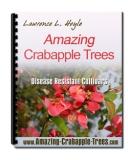
beautiful landscaped yard. The E-Book "Amazing Crabapple Trees" will provide you with a complete selection of disease resistant trees for you to make your choice.
"Amazing Crabapple Trees" E-book By Lawrence L. Hoyle.
My main website is https://www.web-landscape-design-ideas.com
Online Landscape Design Services for Homeowners and Landscape Contractors.
Designs in 40 states since 2003.
Article Source: https://EzineArticles.com/?expert=Lawrence__L._Hoyle
Have A Great Story About This Topic?
Do you have a great story about this? Share it!
Order Your New Landscape Design Today!
Always Design Before You Plant!
Click The above Link To Get Your Dream Design Started.



Privacy Disclaimer About Contact This Site Built: Solo Build It

Copyright © 2003 - 2026 by Web-Landscape-Design-Ideas.com.
All rights reserved.
Morning Reset Round
● What it is: Do a five-minute sweep of dishes, counters, and the main walkway.
● How often: Daily
● Why it helps: A clear “landing zone” makes the whole home feel calmer.
Sunday Home Systems Check
● What it is: Test alarms, check filters, and note one small fix for the week.
● How often: Weekly
● Why it helps: Tiny maintenance prevents surprise problems and decision fatigue. Neighborhood Loop Walk
● What it is: Walk one consistent route and learn two street names or landmarks.
● How often: 3 times weekly
● Why it helps: Familiar routes make your area feel safer and more navigable. Two-Neighbor Hello
● What it is: Say hi and learn one name while grabbing mail or taking out trash.
● How often: Weekly
● Why it helps: Local ties can boost well-being since social capital improves health by 36%.
Monthly Comfort Upgrade
● What it is: Pick one comfort project that supports those who want to remain at home.
● How often: Monthly
● Why it helps: Small upgrades build long-term ease without overwhelming your calendar.