What is Hardscape and Softscape?

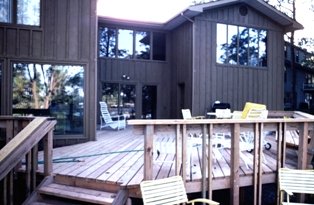
Hardscape refers to the “non-plant” parts of your garden (deck, patio, statues, fountains, walls, etc.). Softscape refers to the plants and the lawn.
If you’re just starting out, lay out the Hardscape first before you work with the plants. This way, the plants aren’t in the way when you’re installing the necessary Hardscape materials.
Walls have the option of being treated as Hardscape or Softscape. If you want total privacy, you may want to go with a Hardscape wall using materials like wood, vinyl or masonry. Otherwise, shrubs and trees make for a more natural wall that give a more open look while still closing the view to other people.
Find a central focus for your yard
This can be anything from a statue, to the play set or even a single tree. Finding a focus for your landscaping gives you a point of reference so that you give your design a better sense of order rather than just having plants scattered everywhere.
These are just some tips to get you started. As you continue working on your landscaping, you’ll be able to come up with more ideas that are distinctively yours, making your home as unique as you are.
 |
 |
|
SOFTSCAPE |
HARDSCAPE |
Have A Great Story About This Topic?
Do you have a great story about this? Share it!
 |
Patio design with 2' x 4' concrete pads in Mexican Pebbles in between. Flower planters included and benches between the plant areas |
Order Your New Landscape Design Today!
Always Design Before You Plant!
Click The Above Link To Get Your Dream Design Started Now!


Privacy Disclaimer About Contact This Site Built: Solo Build It

Copyright © 2003 - 2026 by Web-Landscape-Design-Ideas.com.
All rights reserved.
Morning Reset Round
● What it is: Do a five-minute sweep of dishes, counters, and the main walkway.
● How often: Daily
● Why it helps: A clear “landing zone” makes the whole home feel calmer.
Sunday Home Systems Check
● What it is: Test alarms, check filters, and note one small fix for the week.
● How often: Weekly
● Why it helps: Tiny maintenance prevents surprise problems and decision fatigue. Neighborhood Loop Walk
● What it is: Walk one consistent route and learn two street names or landmarks.
● How often: 3 times weekly
● Why it helps: Familiar routes make your area feel safer and more navigable. Two-Neighbor Hello
● What it is: Say hi and learn one name while grabbing mail or taking out trash.
● How often: Weekly
● Why it helps: Local ties can boost well-being since social capital improves health by 36%.
Monthly Comfort Upgrade
● What it is: Pick one comfort project that supports those who want to remain at home.
● How often: Monthly
● Why it helps: Small upgrades build long-term ease without overwhelming your calendar.